NETWORK FIREWALLS
Connect your teams and data with our cloud-based security solutions, combining proactive defense and real-time threat detection all on one platform.
What is a Firewall?
A firewall is a core network security system that acts as a gatekeeper between trusted internal networks and potentially dangerous external sources such as the internet. It regulates and monitors both incoming and outgoing network traffic based on preconfigured security rules. Whether hardware-based, software-based or cloud-native, firewalls are designed to enforce access control policies and block malicious traffic attempting to exploit system vulnerabilities. By creating a defined barrier, they protect sensitive information, prevent data breaches, and limit the spread of malware across an organization’s digital environment.
Next-Generation Firewalls (NGFWs) deliver proven protection from even the most sophisticated cyberattacks. Our Secure Networking approach simplifies operations by automating security policy enforcement and centralizing management of switches, access points, and Wi-Fi extenders. SMB organizations can get enterprise-level security even on a tight budget, without sacrificing the critical performance and functionality your business needs to grow.
HYPERSCALE FIREWALL
Built for extreme performance and scalability.

DISTRIBUTED FIREWALL
Applies firewall policies at the workload or host level across data centers.
CARRIER CLASS
Designed for telecom and large scale service providers.

VPN
Secure, encrypted tunnels .
Trusted Firewall Solutions Offered by Innovo
We offer firewall solutions that have been recognized in the Gartner® Magic Quadrant™ for Network Firewalls on multiple occasions.
These solutions have received top scores globally in Gartner® Critical Capabilities reports for key use cases including Enterprise Data Center, Enterprise Edge, and Distributed Enterprise.
According to IDC®, these technologies have consistently ranked among the top three in the Chinese firewall market for eight consecutive years.
They have also been featured in Forrester® reports focused on enterprise firewall solutions.
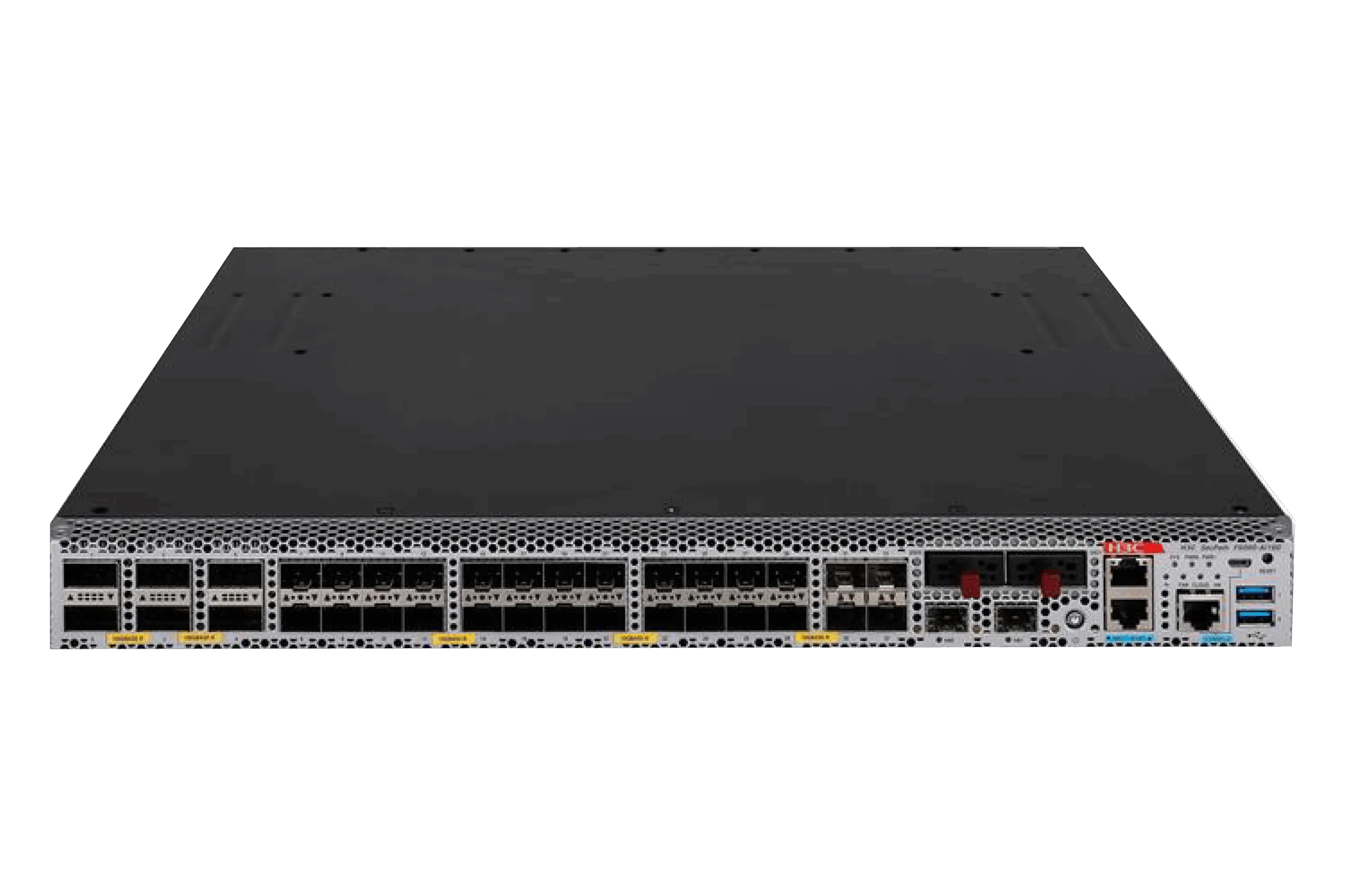
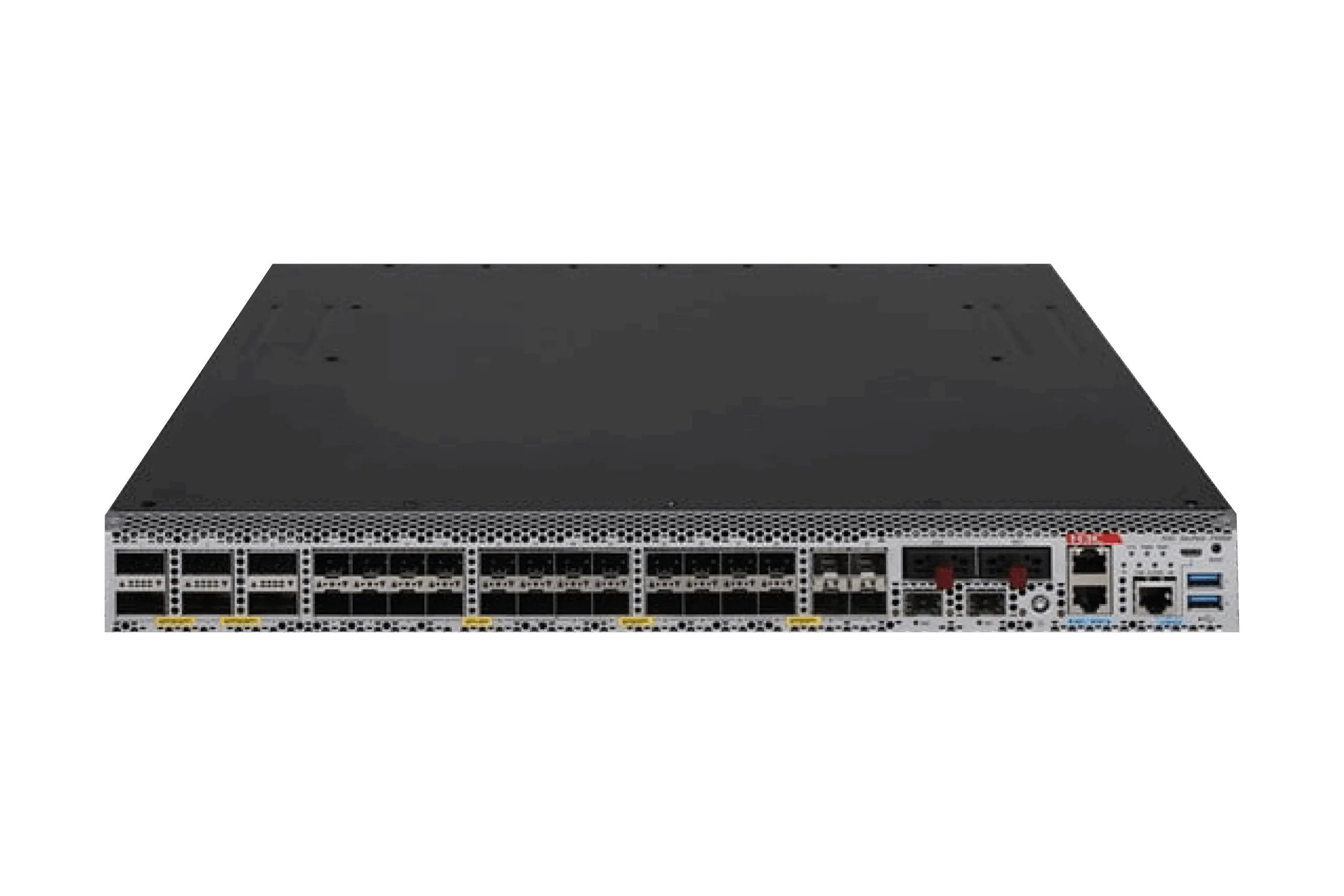
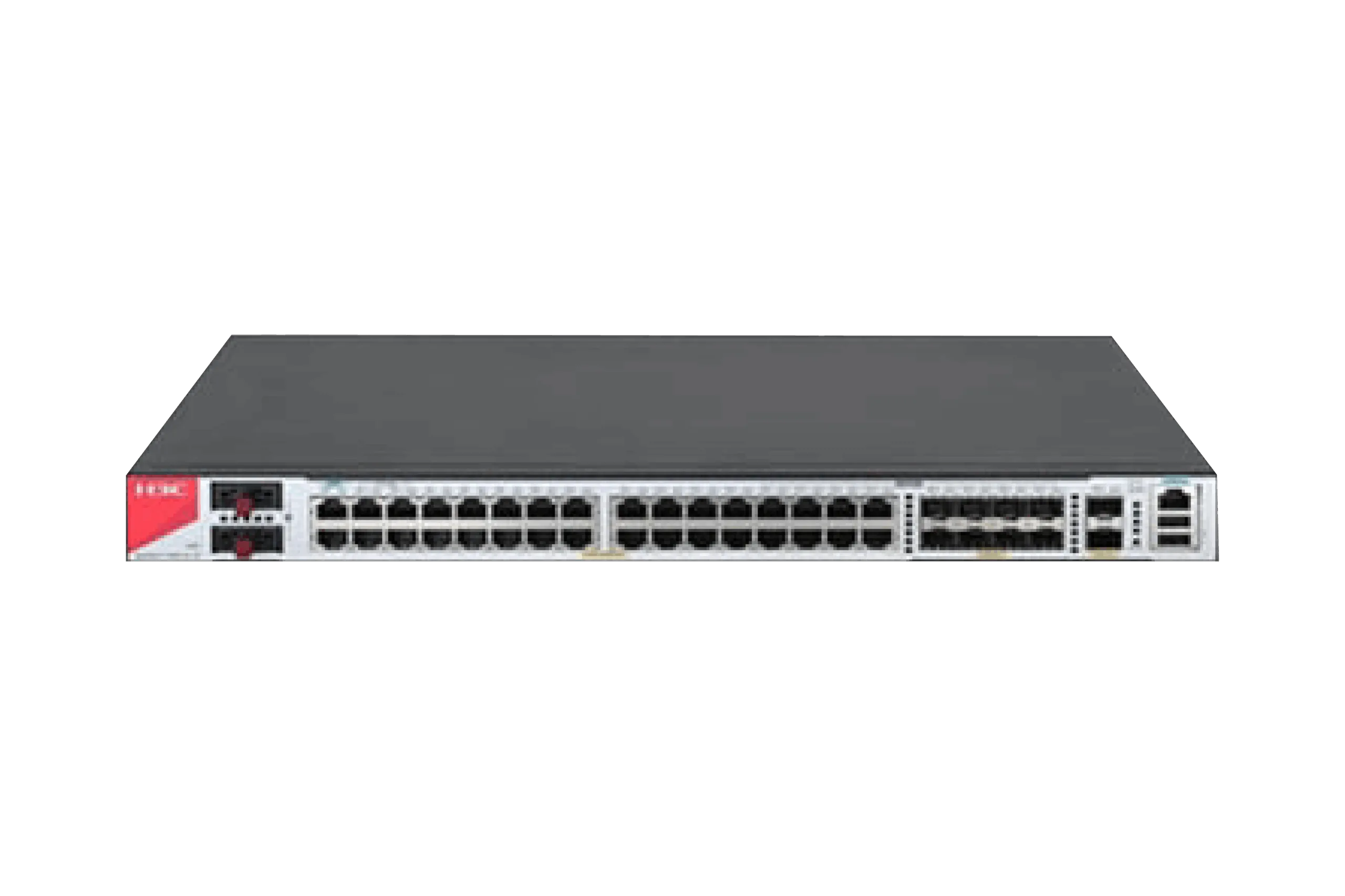
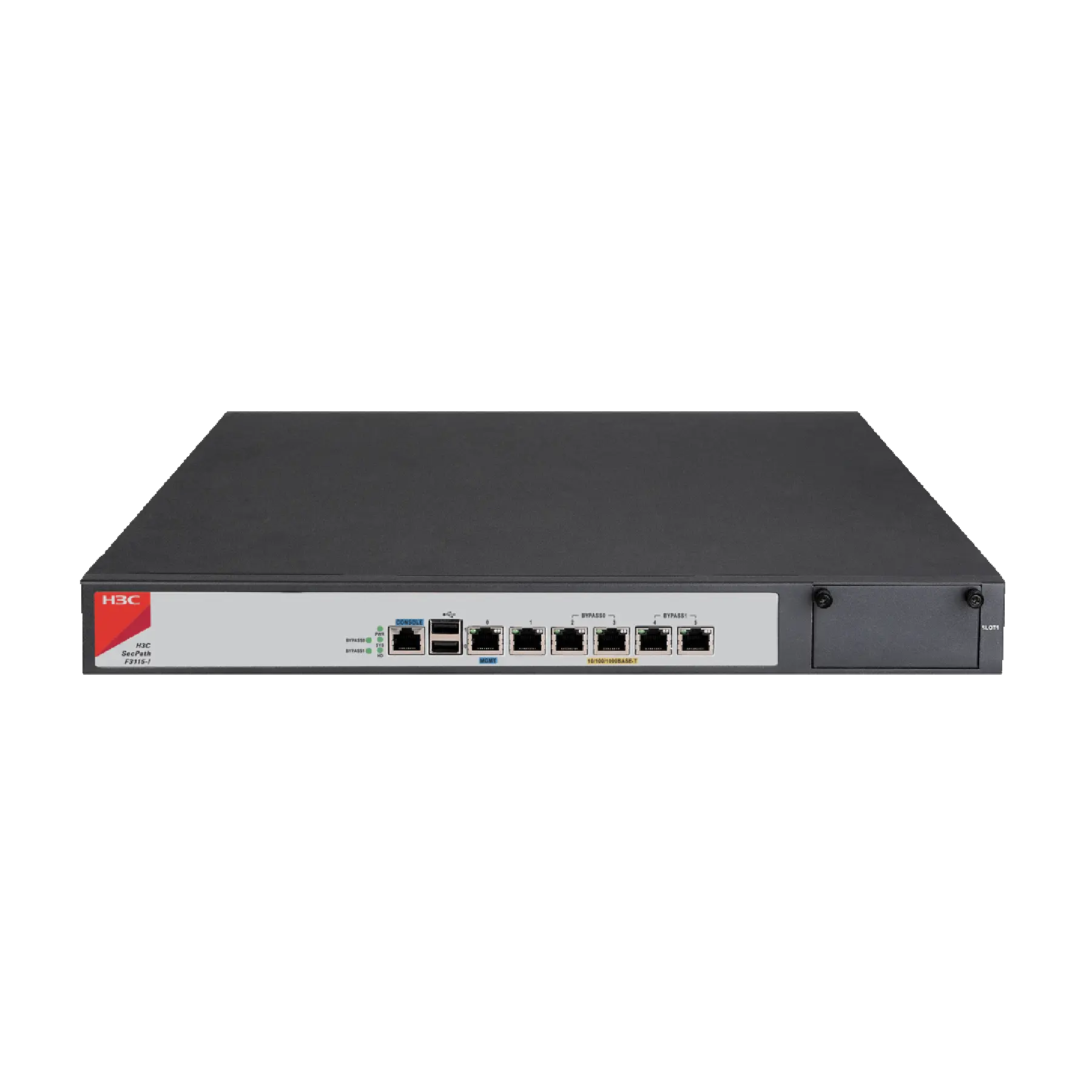
H3C Firewall Models
| Model | H3C SecPath F1000 Series | H3C SecPath F5000 / F5000 Series | H3C SecPath Desktop F100 Series | H3C SecPath OT F3000 Series |
|---|---|---|---|---|
|
NGFW Throughput |
Up to 40 Gbps |
Up to 1 Tbps NGFW throughput (high-end model) |
1–5 Gbps NGFW throughput (model dependent) |
Industrial-grade; ranges from 500 Mbps – 5 Gbps depending on model |
|
Concurrent Sessions |
Up to 10 million |
≥ 100 million |
500,000 – 5 million |
2 million – 10 million |
|
New Sessions per Second |
Up to 200,000 |
≥ 1 million |
50,000 – 150,000 |
≥ 100,000 |
|
Interface Configuration |
Multiple GE & 10GE ports (expandable) |
Flexible GE/10GE/40GE, expansion slots |
Compact GE ports, some models with SFP |
Hardened GE & 10GE, redundant design |
|
Deployment Modes |
Transparent, routing, hybrid |
Transparent & routing |
Transparent, routing, optimized for OT/ICS |
Transparent, routing, optimized for OT/ICS |
|
Security Features |
IPS, AV, URL filtering, app control, DoS defense |
IPS, AV, sandboxing, SSL inspection, app control |
IPS, AV, URL filtering, basic app control |
IPS, industrial protocol filtering, DoS defense |
|
VPN Support |
IPsec, SSL VPN, L2TP |
IPsec, SSL VPN, GRE, DMVPN |
IPsec, SSL VPN |
IPsec, SSL VPN, IEC protocol tunneling |
|
High Availability |
Active-active, active-standby, link failover |
Advanced clustering, active-active, link failover |
Basic HA (some models) |
Active-standby, link failover |
|
Management |
Web UI, CLI, centralized via H3C SecCenter |
Web UI, CLI, SecCenter, SNMP, REST APIs |
Web UI, CLI, SecCenter (limited) |
Web UI, CLI, OT-SMC integration |
|
Compliance |
Meets ISO/IEC 27001, supports NGFW standards |
ISO/IEC 27001, FIPS, Common Criteria, Carrier-grade compliance |
SMB-focused compliance |
IEC 62443, ISO/IEC 27001, critical infrastructure standards |
|
AI-Driven Threat Detection |
Integrated AI engine for anomaly detection |
Advanced AI/ML for threat correlation |
Some models include AI-lite |
Yes – OT-specific AI anomaly detection |
How it works?
Firewalls function by analyzing packets of data using a combination of rule-based logic and advanced filtering techniques. Traditional firewalls inspect data based on IP addresses, protocols, and port numbers, applying security policies to allow or deny access. Next-generation firewalls (NGFWs), however, go further by offering application awareness, intrusion prevention systems (IPS), encrypted traffic inspection (SSL/TLS), antivirus scanning, and user identity integration. Firewalls can also enforce bandwidth controls, URL filtering and granular permissions to ensure network traffic aligns with business policies.
Why it matters?
Firewalls are indispensable to safeguarding business operations in the information age. They form the first layer of defense in a multilayered cybersecurity strategy by controlling access to the network, reducing exposure to vulnerabilities, and blocking unauthorized activities. Firewalls play a crucial role in ensuring data integrity, confidentiality, and availability, especially for organizations managing sensitive data.
Additionally, firewalls support regulatory compliance frameworks such as GDPR, HIPAA, and PCI-DSS, making them crucial tools for audit readiness and risk management. Hybrid work models and cloud adoption are rising, and firewalls provide the visibility and policy enforcement necessary to secure distributed assets.
Use Cases
Endpoints & Mobile Devices
Protect remote users with endpoint firewalls that monitor outbound/inbound traffic, ensuring device-level security.
Cloud-Based IaaS & SaaS Platforms
Use virtual or cloud-native firewalls to enforce security policies in dynamic, cloud-hosted environments.
Internal Network Segments
Prevent lateral movement of malware or attackers within the network by isolating departments, systems, or zones.
Who's it for?
- Small and medium-sized businesses aiming to protect network perimeters and control web access.
- Enterprises operating complex, distributed infrastructures requiring layered defenses.
- Organizations supporting remote teams and cloud-first architectures.

Core Features
Stateful and Deep Packet Inspection
Maintains session awareness and inspects packet contents for anomalies.
VPN Support and Secure Remote Acess
Establishes encrypted tunnels for remote users and site-to-site connectivity.
Application-layer Filtering and Control
Identifies, monitors and controls applications regardless of port or protocol.
Intrusion Prevention
Actively blocks known threats and suspicious behaviors before they impact the system.
Frequently Asked Questions
What is a firewall and what does it do?
A firewall is a fundamental network security device or software that acts as a barrier between a trusted internal network and an untrusted external network, like the internet. Its primary purpose is to monitor and filter incoming and outgoing network traffic based on a set of predefined security rules. The firewall’s main function is to block malicious or unauthorized traffic while allowing legitimate data to pass, effectively protecting an organization’s network and data from cyber threats.
Is a firewall the same as antivirus software?
No, firewalls and antivirus software are two distinct and complementary security solutions. A firewall protects your network by controlling traffic flow and preventing unauthorized access to your systems. It acts at the network level. Antivirus software, on the other hand, operates at the host level, scanning files on a computer to detect, quarantine, and remove viruses, worms, and other forms of malware that have already made it past the network perimeter. For comprehensive protection, both a firewall and antivirus are essential.
What are the different types of firewalls?
Firewalls can be categorized in several ways, but the most common types are:
- Packet-Filtering Firewalls: These are the most basic type, inspecting individual data packets based on criteria like source and destination IP addresses and port numbers.
- Stateful Inspection Firewalls: These are more advanced, as they track the state of active connections. They can make decisions based on the context of the traffic, not just the individual packets.
- Next-Generation Firewalls (NGFWs): These are modern firewalls that combine traditional firewall capabilities with advanced features like deep packet inspection (DPI), intrusion prevention systems (IPS), and application awareness, providing a more comprehensive defense against sophisticated threats.
- Hardware vs. Software Firewalls: Hardware firewalls are physical appliances, while software firewalls are applications installed on a computer or server.
Can a firewall stop all cyber threats?
While a firewall is a critical component of any cybersecurity strategy, it cannot protect against all threats on its own. It is designed to be the first line of defense at the network perimeter. However, it may not be effective against threats that originate from within the network or those that exploit a user’s action, such as clicking a phishing link or downloading a malicious file. A layered security approach that includes a firewall, antivirus, intrusion detection/prevention systems (IDS/IPS), and user education is necessary for robust protection.